All about Pre-filled Syringe Systems - PDA
• Medical Device Regulation - MDR: "Prefilled syringes are generally classified as Class IIa or IIb devices, depending on the intended use and the degree of invasiveness. No classification as “Medical Device”.
Quality by Design for Primary Container Components
Cached1 Elastometric Components2 Closure Configurations3 Key AttributesMaintaining Drug Quality Through The Closure System4 Extractables and Leachables from The Primary Container5 Key Functional Characteristics6 Compatibility of Vials, Stoppers, and Seals as A System7 Container Closure Integrity of SystemElastomeric components are rubber-based materials that are used to seal containers. In this case, the primary container may be a vial or a prefillable syringe system. In the case of a vial, the closure is called a stopper (Fig. 17.4), and it has multiple functions, such as assuring sterility and allowing needles to access the medicament and reseal.... See full list on link.springer 17.3.2.1 Stopper Configurations There are many different stopper designs; the most critical factor in stopper design is its application to a liquid or lyophilized product. A stopper for a liquid product is designed to ensure sterile containment, allow needle penetration with resealing, and work smoothly with the stoppering equipment on the manufacturing line. A lyophilization stopper requires additional features to allow positioning over the vials during lyophilization with unobstructed sublimation of water vapor or other s... 17.3.2.2 Syringe Component Configurations The piston/plunger has a critical dual role, as it needs to balance the features of breakloose and extrusion with the feature of CCI, meanwhile assuring chemical compatibility and drug stability. Typically, silicone oil is used on the inside of the syringe barrel and on the plunger in an effort to optimize the functionality. Other types of lubricity or barrier coatings can also be used, such as B2 coating, a polymerized silicone, and various materials that are applied through vapor deposition... 17.3.2.3 Elastomeric Formulation Composition Multiple ingredients are blended together to produce a rubber component. These ingredients not only aid in manufacturing but also give, both, physical and chemical characteristics to the finished elastomer component. Typical materials used in the rubber component are listed in Table 17.4, and an example of a typical rubber formulation’s ingredients is listed in Table 17.5. The basic manufacturing process for elastomer components is as follows: The raw materials are mixed together and calendar... See full list on link.springer Elastomeric formulation recommendations for, both, stopper and syringe components applications are based on their specific applications. In general, the following holds: 1. Stoppers 1.1. Halogenated or non-halogenated butyls 1.2. Need very good moisture and oxygen transmission barriers 1.3. Steam sterilized 2. Plungers 2.1. Halogenated or non-halog... See full list on link.springer Ultimately, one of the most important considerations in a total package is the use of a “clean” closure. The responsibility for this is best driven upstream from the drug manufacturer, as there are many factors that contribute to this “cleanliness” factor, and most are best controlled at the closure manufacturer. Closure cleanliness comprises three... See full list on link.springer Primary container suitability for the drug product and patient in the regulatory environment is defined as compatibility, safety, protection, and performance (US Department of Health and Human Services 1999). In this context, the issue of extractables and their relationship to leachables , specifically with respect to patient safety, is critical. E... See full list on link.springer In addition to CCI, there is an assortment of considerations that need to be understood in relation to a vial/stopper/seal system. For a stopper, some of the most critical concerns are the issues of coring and reseal. Coring is the characteristic of a stopper formulation in a certain configuration to withstand multiple injections with a needle with... See full list on link.springer The most critical issue that needs to be understood is the dimensional compatibility of the total system. The typical interference fit of stopper to glass is 3–4 %. The system is visualized in Fig.... See full list on link.springer QbD for the vial/stopper/seal system starts with the development of a design specification . This specification is based on previous knowledge, risk assessment, and continuous learning. These container closure designs are specific to each drug and its intended application. In addition to the system design specification, there should be a reference ... See full list on link.springer Author: Fran DeGrazio, Lionel VedrinePublish Year: 2015
All about Pre-filled Syringe Systems
Glass tubes are converted into syringe barrels. Syringe barrels are washed, siliconized, capped, put in nest and tub, into bags. Sterilization with EtO (glass syringe) ->“RTF“. As syringe becomes a sterile product after filling, high GMP requirements to be fulfilled even for empty containers.
Syringe fill-finish manufacturing requirements | Cytiva
CachedJul 8, 2022 · Compared with traditional syringes, prefilled syringes (PFS) reduce medication errors, allow quick and safe preparation and administration, have long shelf lives, and reduce the risk of overfill. Taken together, these advantages result in smaller batch volumes and lower development costs.

Test Methods and Quality Control for Prefilled Syringes
CachedMar 1, 2019 · Both empty and filled syringes must pass a range of tests to meet quality standards for biopharmaceutical drugs. Prefilled syringes offer advantages to the manufacturer, caregiver, and patient. With fewer handling steps and ease of use compared with empty syringes, prefilled devices can help reduce medication errors.
All about Pre-filled Syringe Systems
West Technical Report 2019/210 FluroTec® Protecting Drug Product Quality Safety The drawn blue line indicates an estimated identification threshold of 0.5 µg/unit, which is below the Product Quality Research Institute
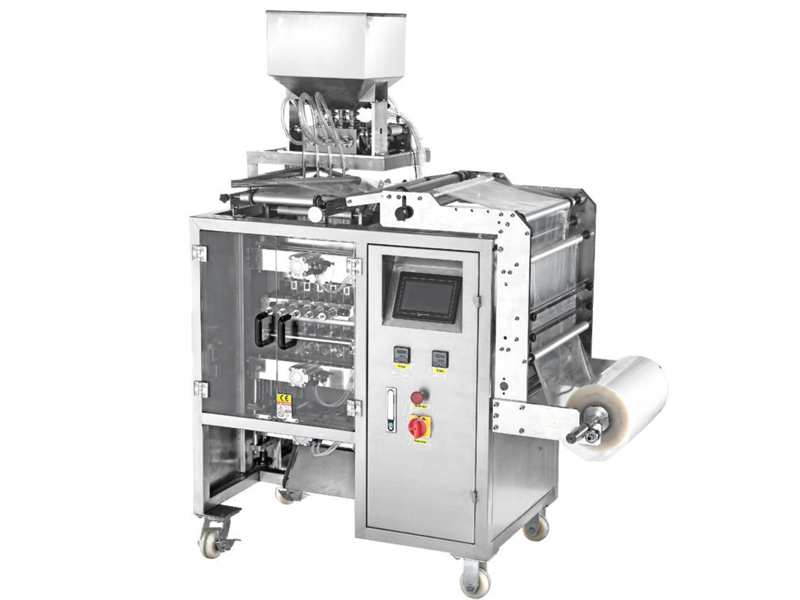
Syringe filling machines » Syntegon
/solutions/pharma/syringe-filling-machines/See all results for this question

Syringe filling machines » Syntegon
CachedWhether you run a small, medium, or high output line, safe processes are paramount to maintaining product quality. With highly automated bag and tub opening solutions for ready-to-use containers, we help you process pre-filled syringes both safely and efficiently.
